



Founder IT
Beijing, 2009
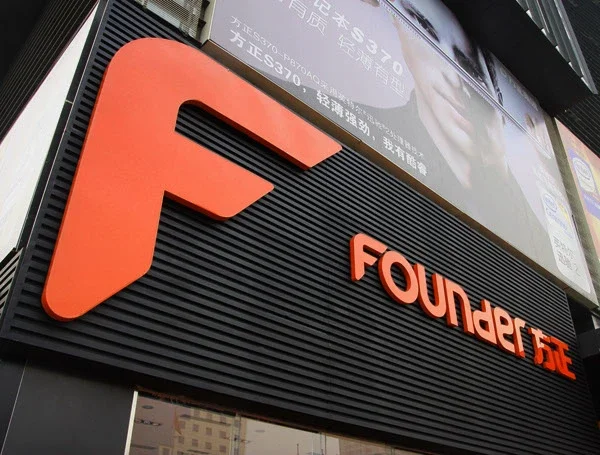
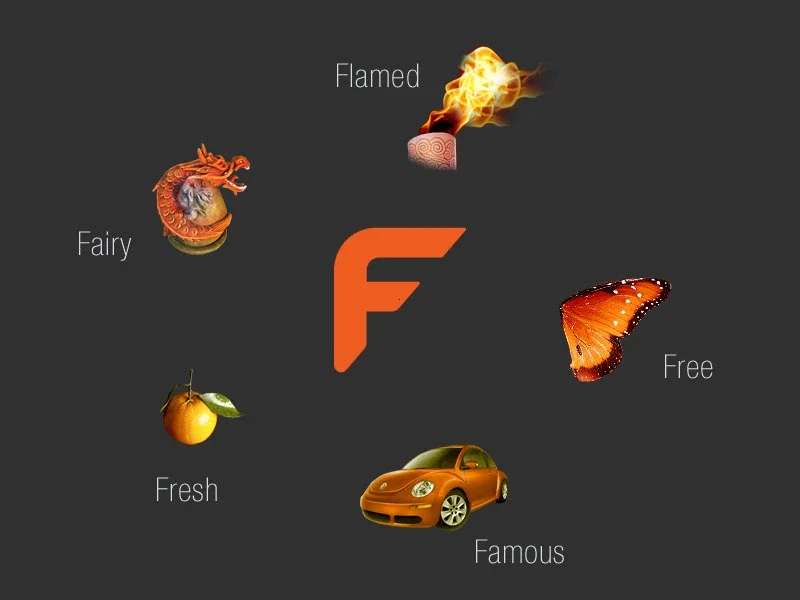
This is the very first major pitch I entered in China when I started working with Zheng Bang. Founder is a national IT group born from Peking University and the work of a computer scientist who had helped make Chinese digital typography possible on early personal computers. For that project, I developed several concepts, then refined two directions with Zheng Bang’s feedback: a teal version and an orange one. We finally chose the orange solution, with a more stable and familiar F, because the earlier version suggested an arrow falling downward.
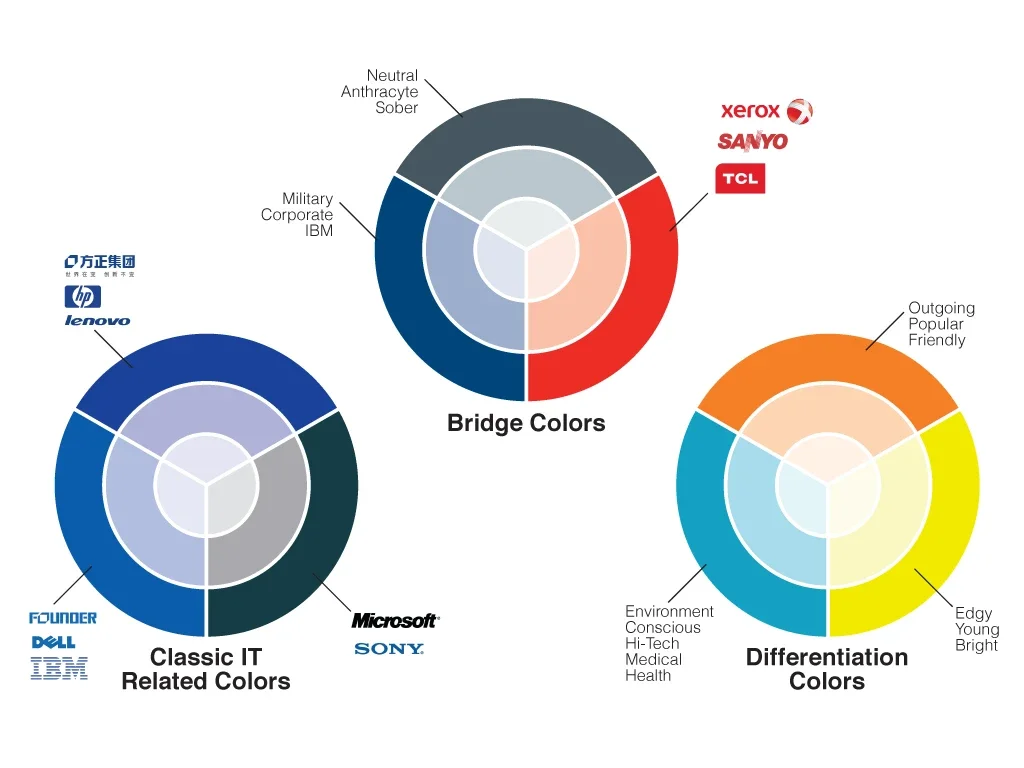
What interested me most was not only drawing the logo, but creating the conditions for it to be understood. Before revealing the final design, I prepared framing slides to help non-designers evaluate it beyond the usual “I like it” or “I don’t.” I explained that a strong logo must combine elegance, function, and above all uniqueness. Its first duty is to identify. If it reminds another brand, then it has already failed. Since nearly every IT company at the time were using dark blue, I argued that Founder should step into a different territory. Orange, supported by a strategic positioning from B2B seriousness toward a more accessible B2C presence, could give the brand both distinction and new energy.
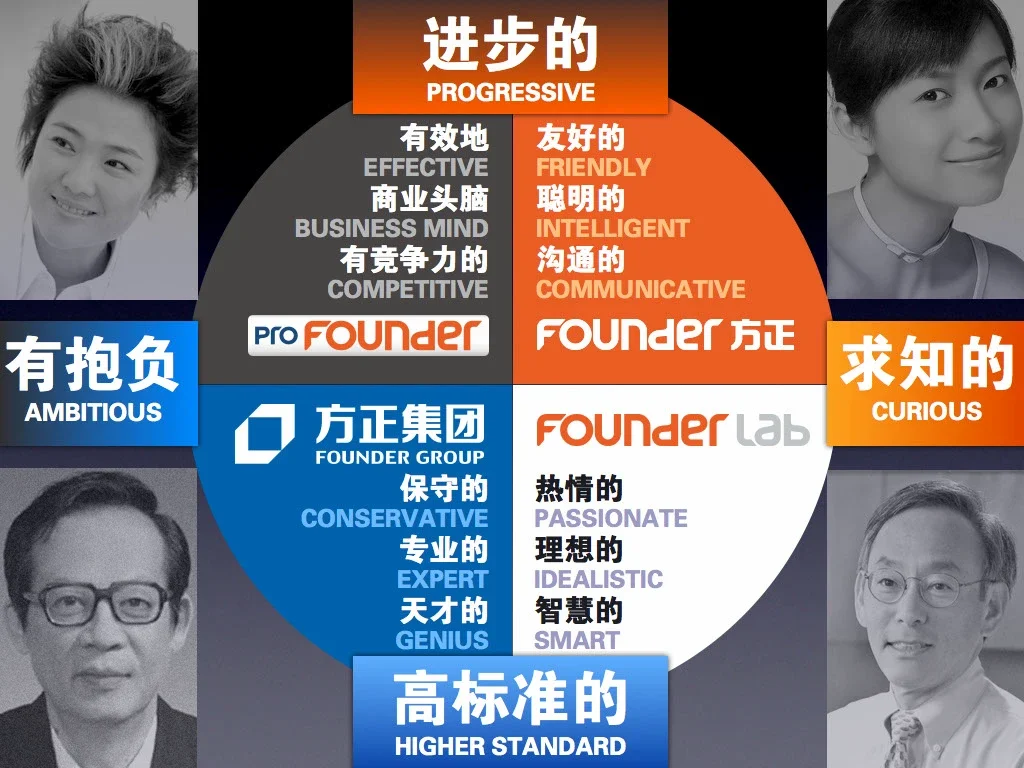
Founder’s management liked the proposal, but they wanted reassurance that the choice was safe. So I built a second presentation, justifying each decision in the logotype. Once approved, the identity system grew into something much larger. I moved almost overnight from the designer role to the strategist one, helping define audience segments, voice, tone, and key messages. Even then, I felt some of the communication remained too institutional to fully connect with ordinary consumers, however I was still learning how China framed trust, authority, and aspiration in public communication at that time.
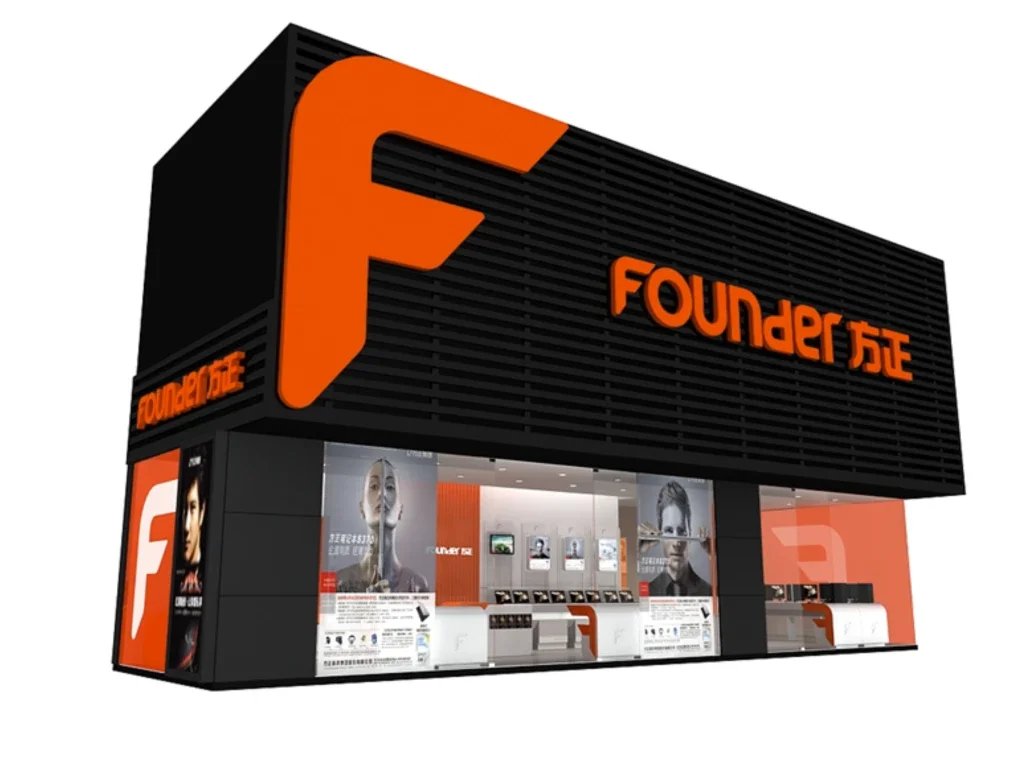
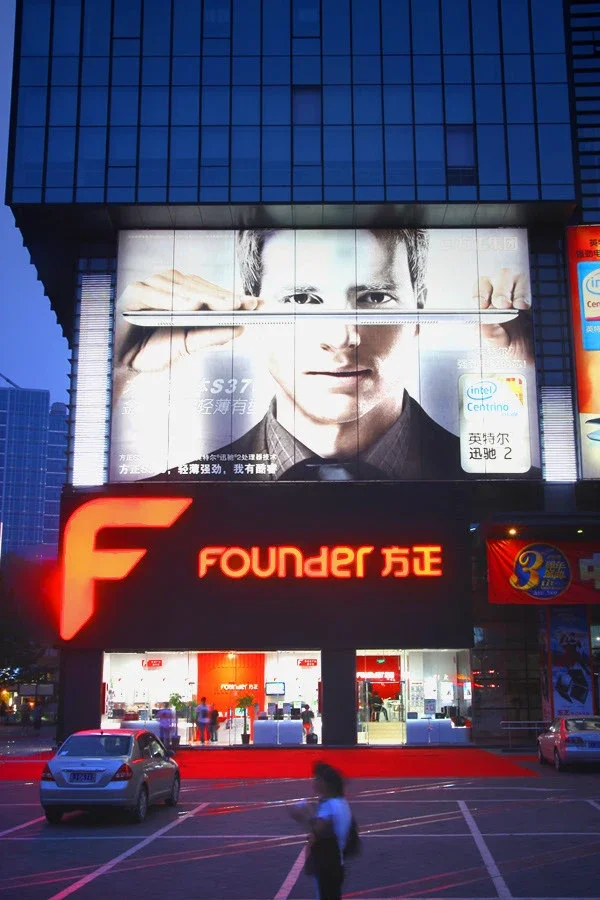
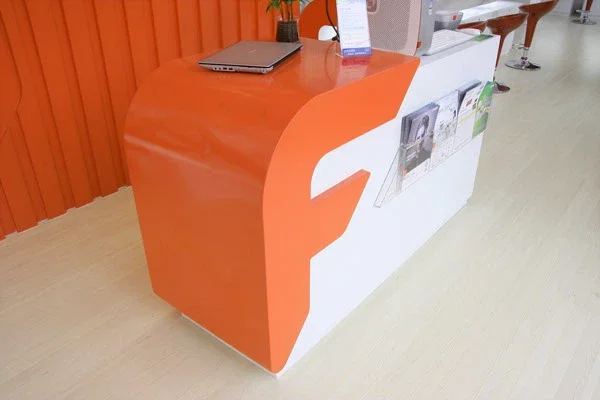
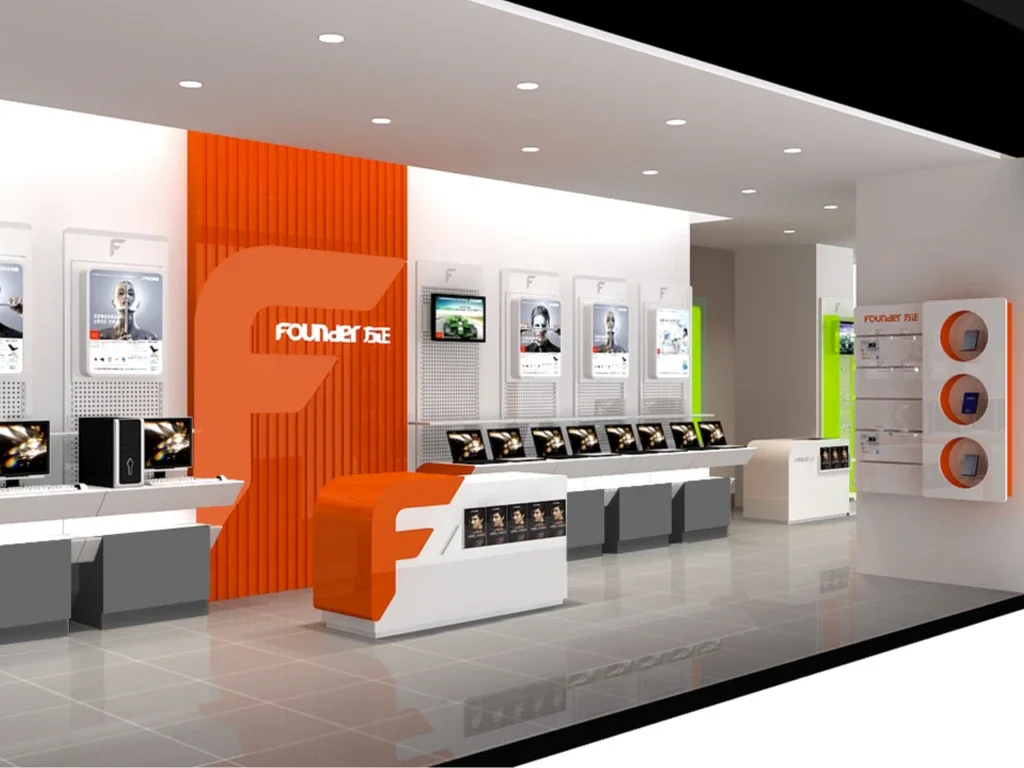
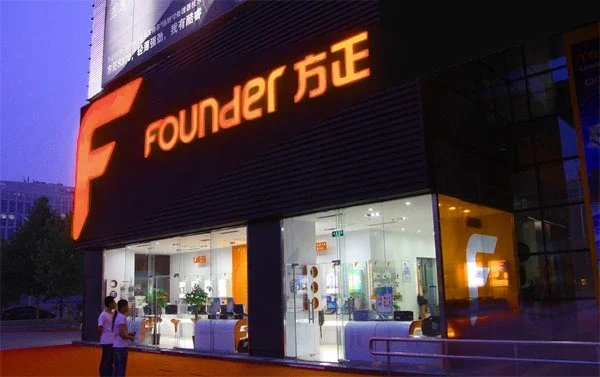
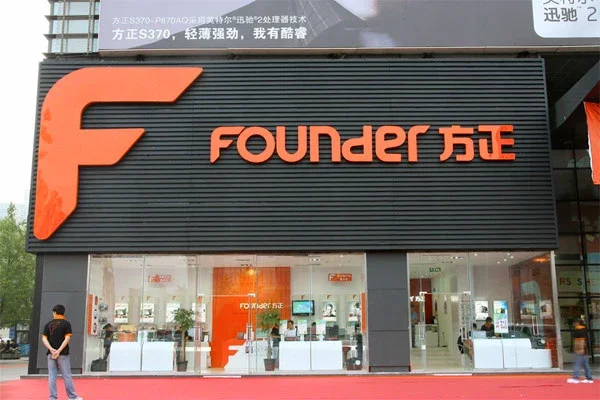
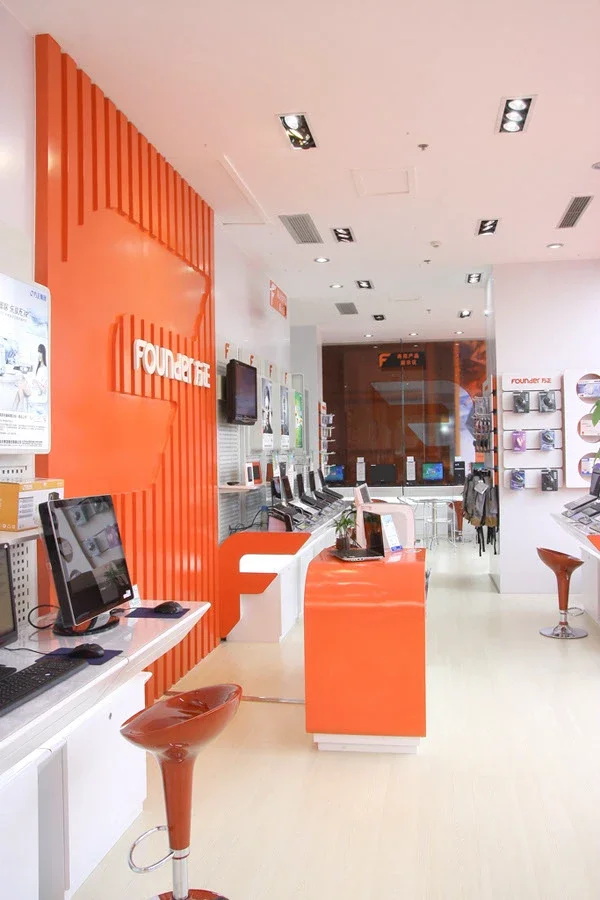
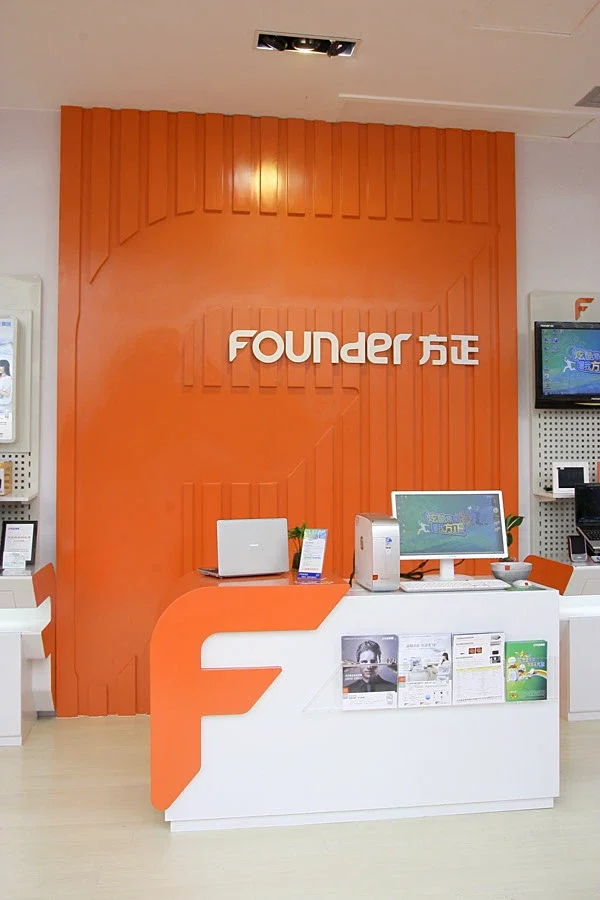
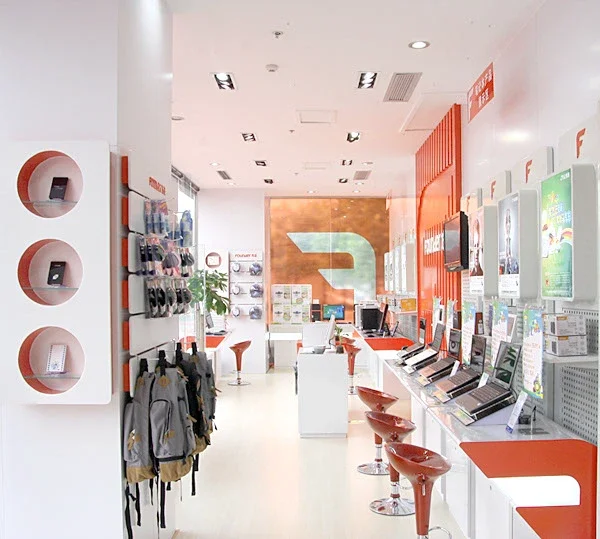
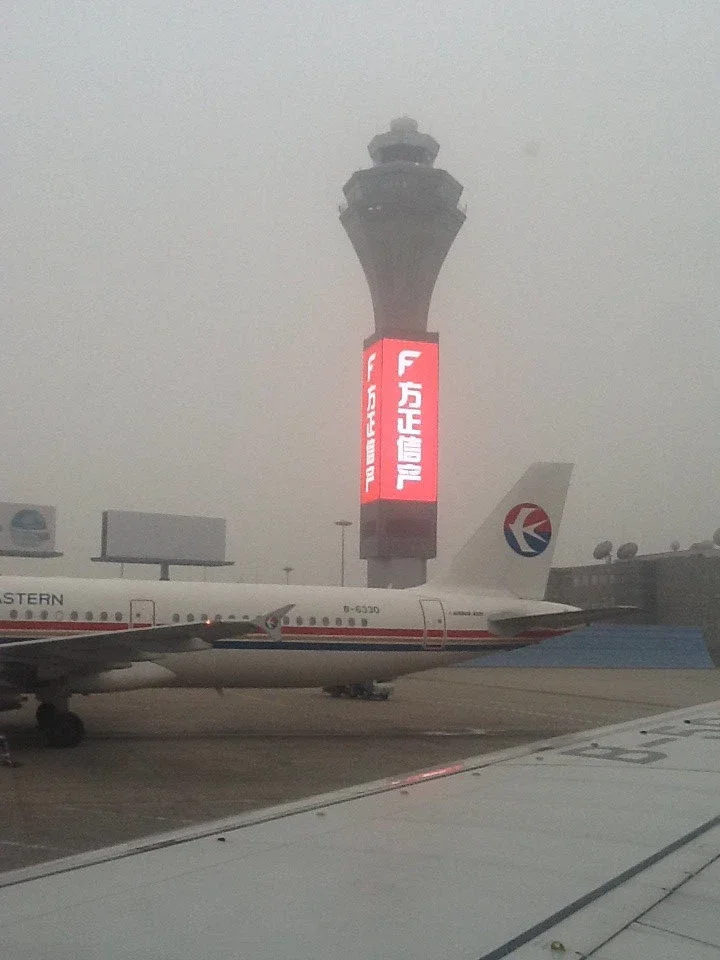
The most vivid confirmation that our strategy worked came when Founder asked us to design the interior and exterior of its first flagship showroom, placed right beside Lenovo at the entrance of Beijing’s electronics district. The store opened. Two months later, Lenovo changed its own front sign from dark blue to yellow. For me, that moment said everything. The project was not just about creating a logo. It was about helping a national technology brand step into visibility with greater clarity, confidence, and ambition. When I see the identity applied on the control tower of Beijing Airport, I am reminded of what China made possible for me: the chance to work at a scale where design could alter not only perception, but the behavior of an entire market.