
My Story
I remember the moment I decided to be a designer (dessinateur in French). I’d run out of paper and was still drawing colorful, imaginary birds on little squares of toilet paper packaging cards. “I could do this all my life,” I told my mom, folding up the laundry that evening. “Why don’t you?” she said. She then proceeded to pull down a heavy leather volume, Les Dessins du Louvre, from our home’s bookshelf. She opened it and pointed out: “All these people were paid to draw what they wanted to draw.”
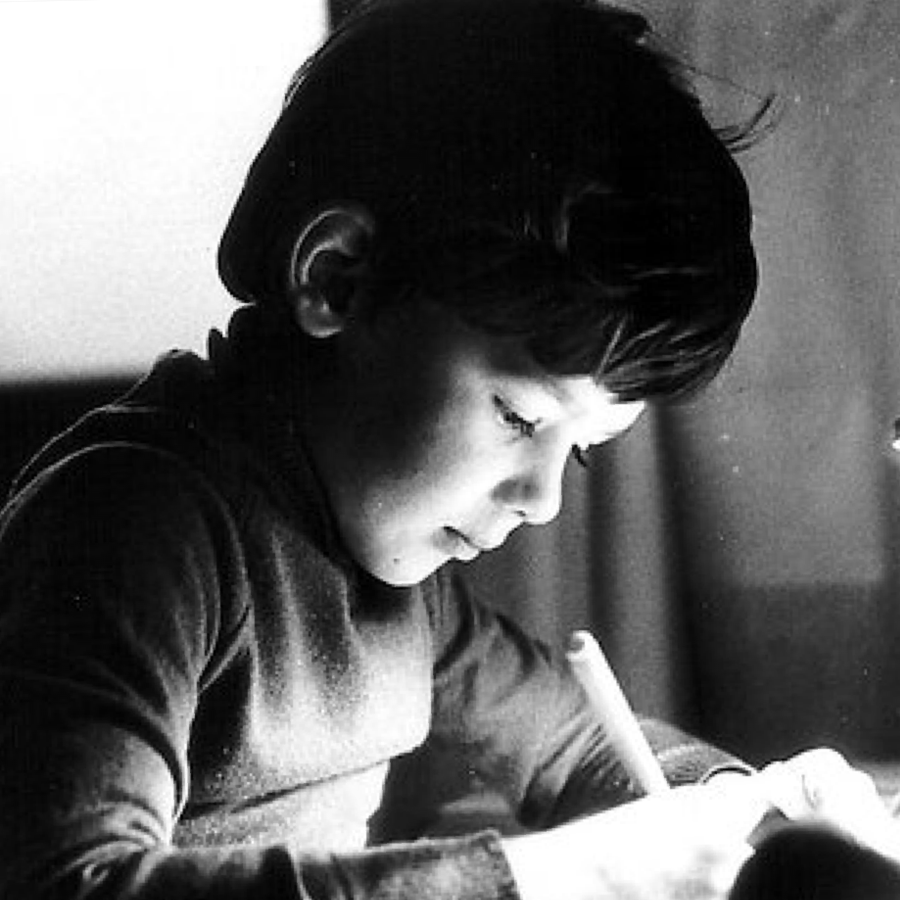
Credit: Gérard Moulinet, 1975
In my kindergarten in Lyon (France), I encountered a Japanese boy who spoke no French. I sat next to him, and I drew a picture of my family with a big, bright yellow sun
In reply, he drew his own family with a massive red disk representing his own version of the sun. I looked again at my sketch and drew a red disk ‘inside’ my yellow sun.
This little story implies a lot of my future that is now my past. My curiosity about foreign cultures. Communicating with visuals. And my persistent love of drawing, my first acquired skill.
By twenty, I was living and working in Japan for most of the ’90s. In the 2000s I moved to the United States—New York, then Miami. After a few years back in Japan, I settled in China in 2009, where I’ve been ever since.
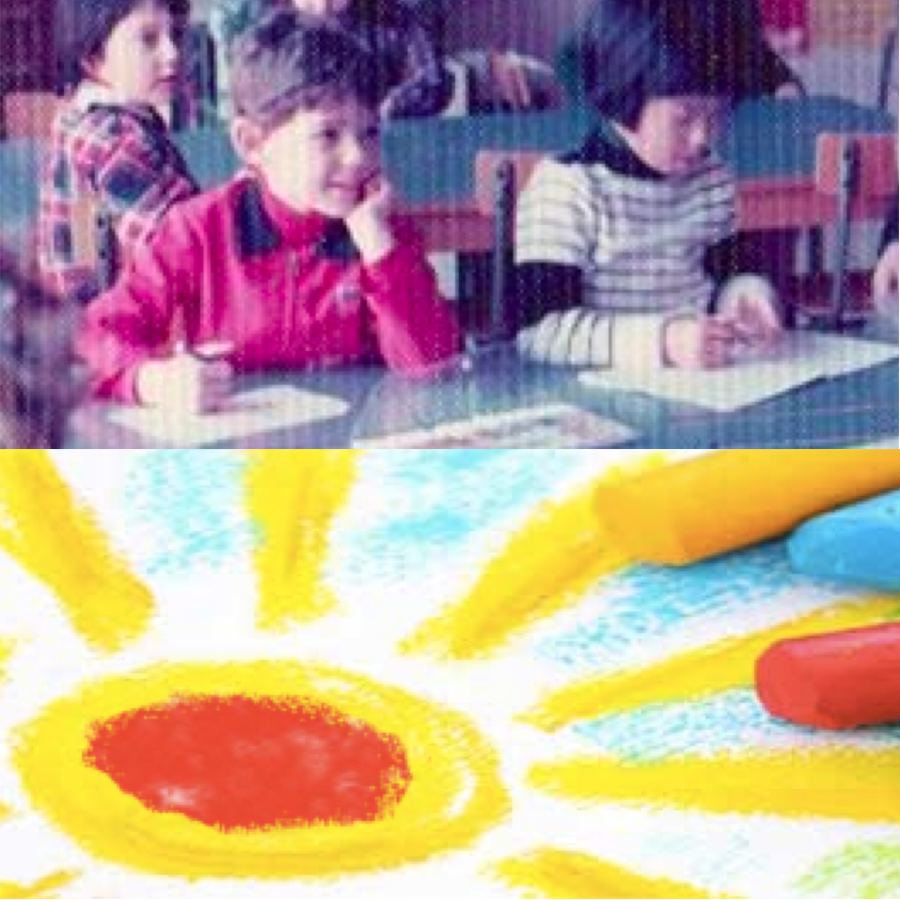
Credit: Gérard Moulinet, 1975
I entered the Grenoble School of Fine Arts a year early, by special dispensation. At that time, I was already a graphic designer for local papers and the Grenoble chamber of commerce. I was also an art apprentice who even won a few public art commissions, and grants.
In that Fine Arts School, academic drawing and painting were ridiculed. I kept honing my craft with mentors outside the faculty (my graphic designer uncle, Hervé Frumy, the painter Claude Blanc-Brude, and the sculptor Livio Benedetti). Still, I was troubled by the perceived dialectical gap between “design” and “art.” Vasari wrote (paraphrasing) that disegno (design) is “the art of all arts,” yet my school treated them as separate.
My teacher, artist Ange Leccia, once exhibited Japanese motorcycles and told me, “They’re beautifully designed, but they’re not art. In a gallery, my act makes them art. In that context, their design value becomes irrelevant.” In his view, designed objects carry function; artworks do not. To be perceived as art, function must be neutralized or diverted, as in my other teacher, Jean-Luc Vilmouth’s hammer carving its own resting place, neatly demonstrated.
In short, I was being told to choose between designer and artist, and I spent years wrestling with that false choice.
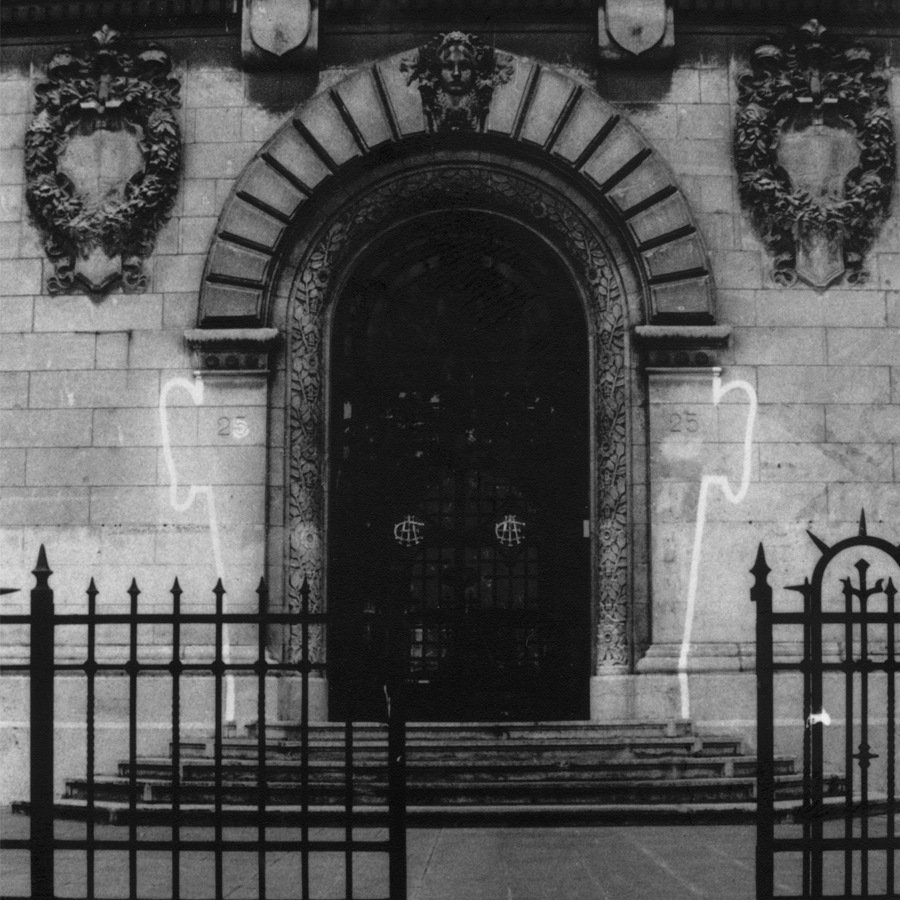
Credit: Gregory Moulinet, 1990
Right after earning my Fine Arts degree (Magna Cum Laude), I chose to spend my fourth year in Japan. That decision ended up shaping a big part of my life.
It was 1991. Sony products, Ryuichi Sakamoto, and Issey Miyake were everywhere, and I was captivated. Vilmouth and Leccia were showing in Tokyo and telling me how everything felt “advanced”.
Tokyo was also the world’s most expensive city at that time. With savings from my graphic design gigs and a few public art projects, I estimated I could last there six months.
Once in Japan, I made an artwork: I persuaded Nintendo to program six tiny 8bits animations of a couple making love on a Game Boy screen. That work propelled me into the professional art world while I was still an art student. A Tokyo museum (Striped House) offered me a show with my partner at the time, Chizu Kodama. The piece won an award (Parco Urbanart). And for a time, I was represented by Emmanuel Perrotin, with an exhibition in his Paris gallery.
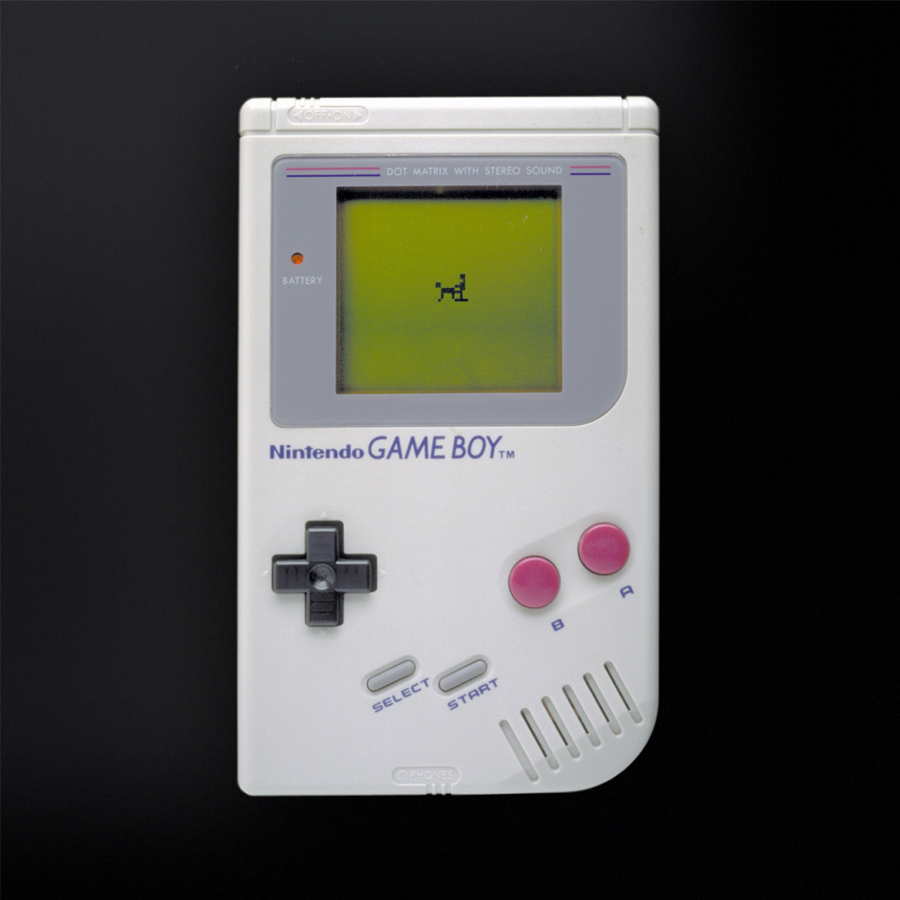
Credit: Kenshu Shintsubo, 1992
In Tokyo, I taught myself Japanese and bought a Macintosh to learn digital graphic design. I joined a small agency called Art Knight and I lectured about contemporary and modern art at Vantan Design Institute.
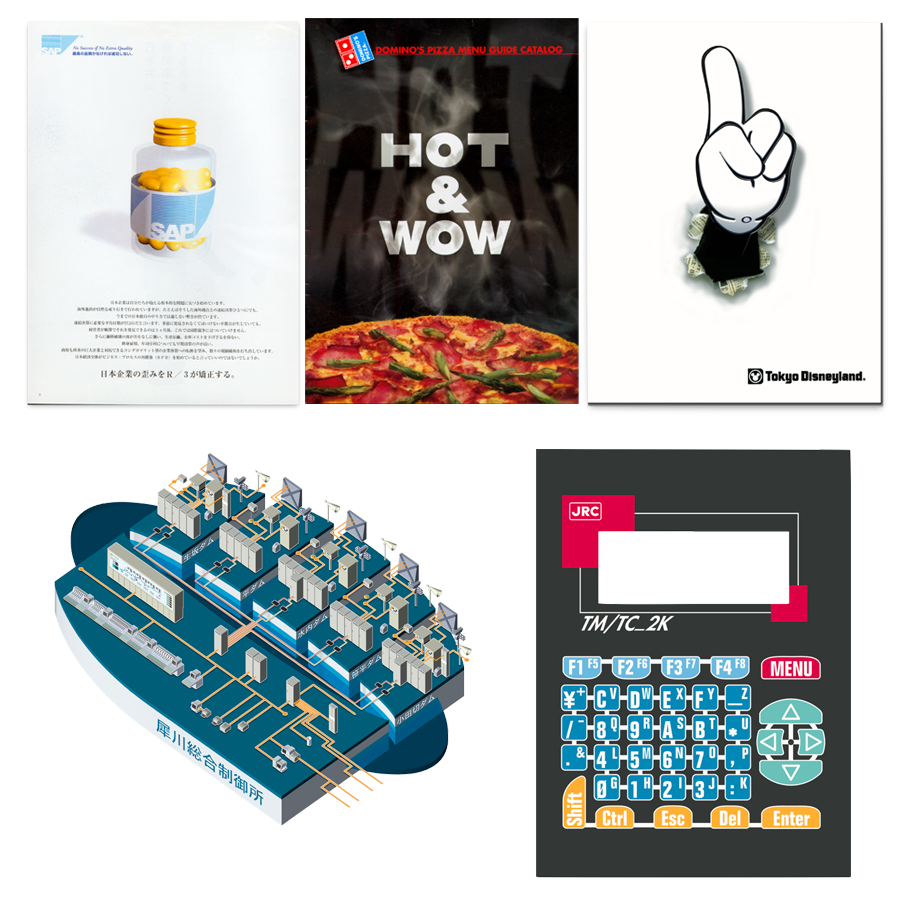
My work life split three ways: creating graphic concepts for ad campaigns, designing and building my own wooden furniture, and developing art installations.
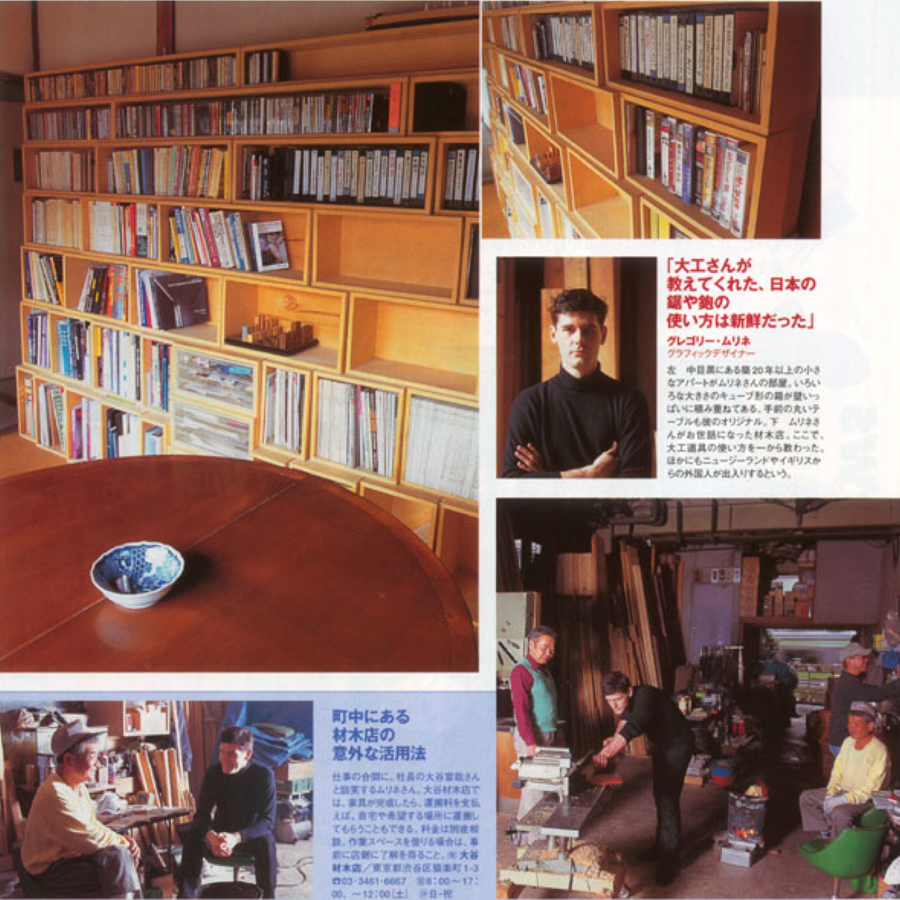
ELLE DECO Japan, 1997
In 1999, I submitted a project to a major art competition in Tokyo—the 6th Japan Art Scholarship at Spiral Garden. I made myself a deal: if I won, I’d stay in Japan and keep pursuing art; if I lost, I’d pivot to design and head back to France.
I lost. I quit my job, sold my things, and moved to Paris, where I spent six months working as an art director at Imagence, an agency specializing in pharma-medical communication.
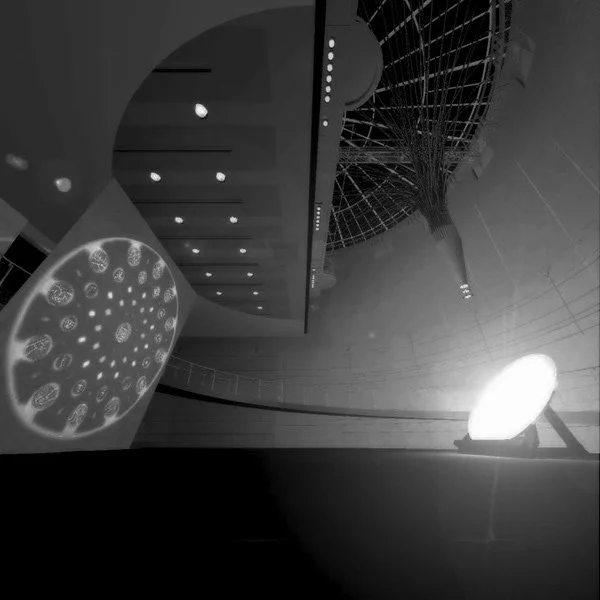
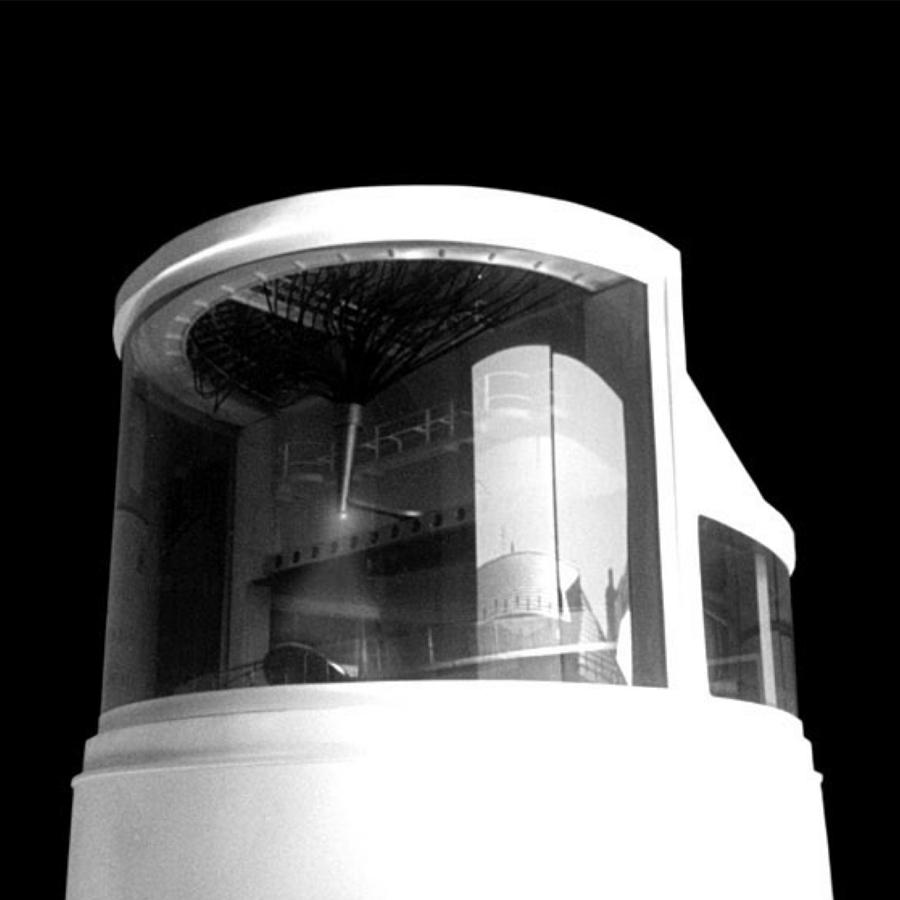
Credit: Gregory Moulinet, 1999
By early 2000 I moved to the U.S.
In New York I fell into entertainment. I linked up with MTV teams and worked on projects like the TDK logo motion graphics on the Times Square screens. I designed digital special effects for Lynn Hershman’s film Teknolust with Tilda Swinton, and I created a 3D avatar for the lead singer of a friend’s band. I became a VJ—visual jockey—touring nightclubs and underground art spaces.
I was working day and night. By Christmas 2000 I was burnt out, and I stopped cold.
In early 2001 Webster Hall, New York’s oldest and largest nightclub, called and hired me as art director. I worked on promotions for their label and built their first website. That experience gave me crucial, hands-on insight into e-commerce that would prove useful later.
I witnessed the 9/11 attacks. A week later Webster Hall laid off about half the staff. They kept me, which gave me a little time to try an idea.
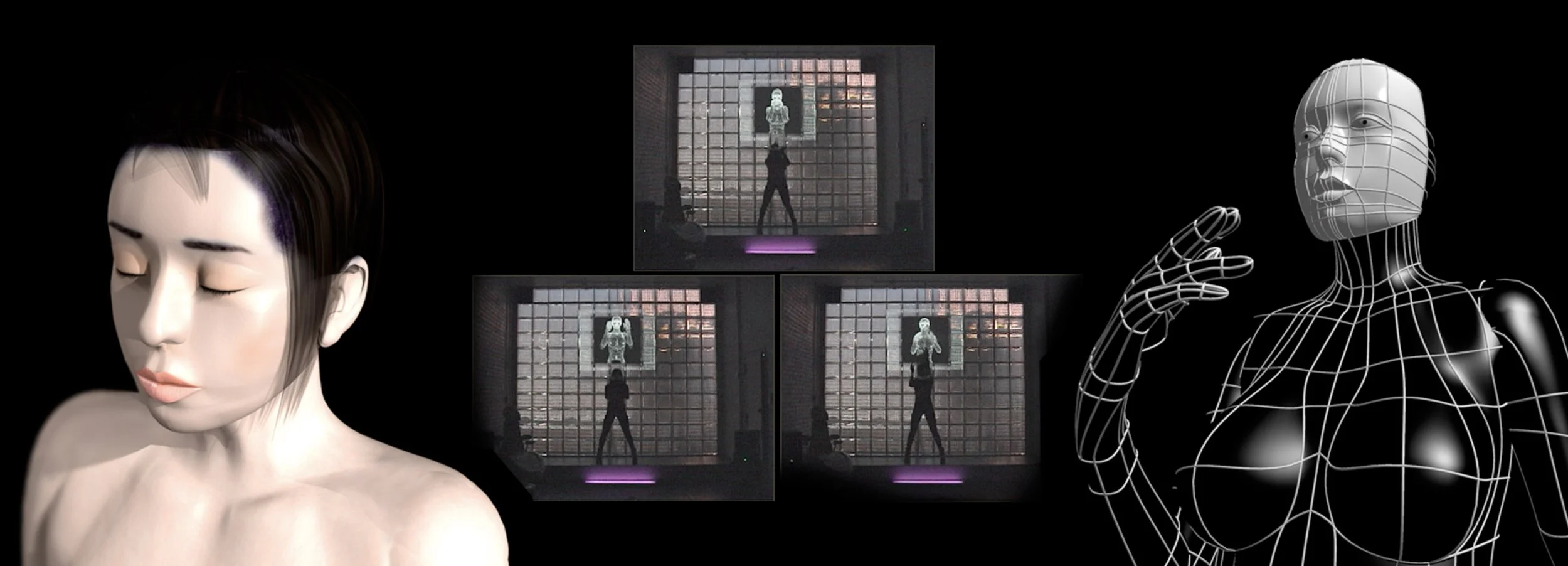
Credit: Gregory Moulinet, 2000
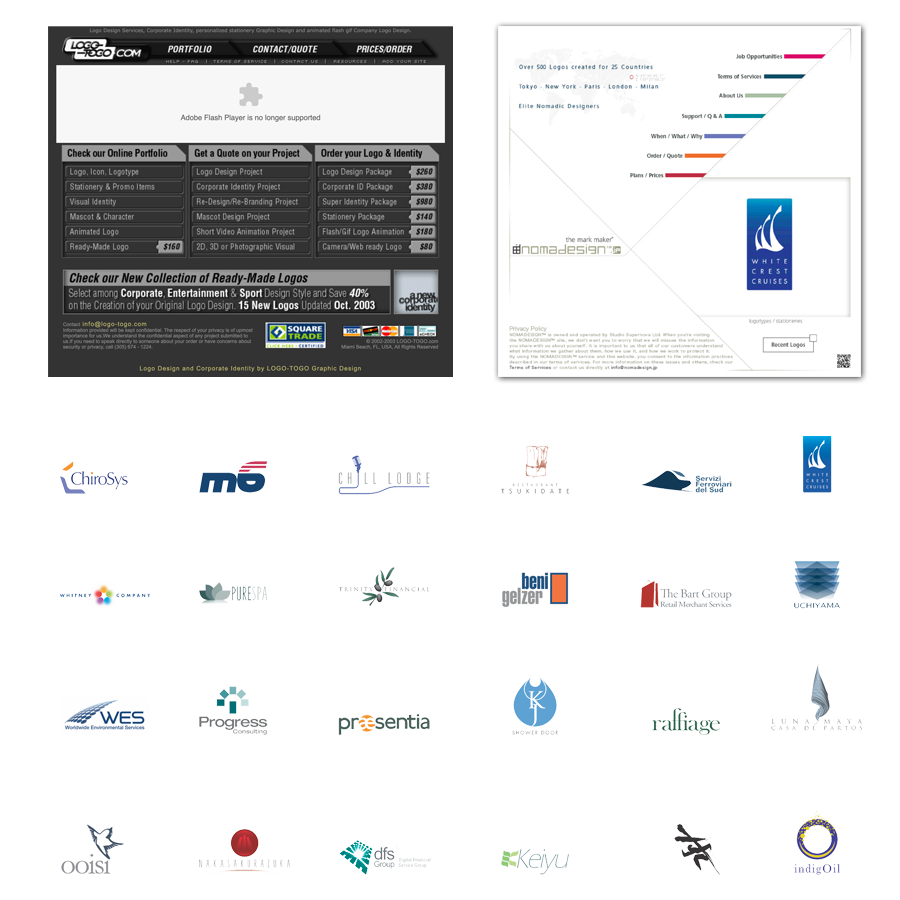
The idea was to build my own e-commerce: an online logo design service, logotogo.com. For the next seven years it ranked at the top of Google search for the keywords “logo design.” And almost overnight, I stopped being a generalist and became an expert logo designer.
In 2005, during a leisure trip to Japan, I realized my business model barely existed there. I launched nomadesign.jp for the Japanese market. It took off immediately, and I moved back to Japan.
Early 2008 the global financial crisis hit hard. By year’s end I was wiped out. I looked for where to rebuild.
China seemed the least financially compromised country at the time; the Beijing Olympics put it squarely on the world stage. And aside from Alibaba, there were no recognizable Chinese trademarks. I saw an opportunity to help design major Chinese brand identities—not just logos for startups.
I flew to Beijing on New Year’s Day and landed at Zheng Bang, the country’s largest graphic design agency, specializing in logo design like me.
At first I worked independently alongside them. The deal was simple: I’d join their pitches and submit my own proposal. If Zheng Bang won the client, I’d get a small fee; if my concept was chosen, I’d receive a percentage of the project—a serious sum with national accounts.
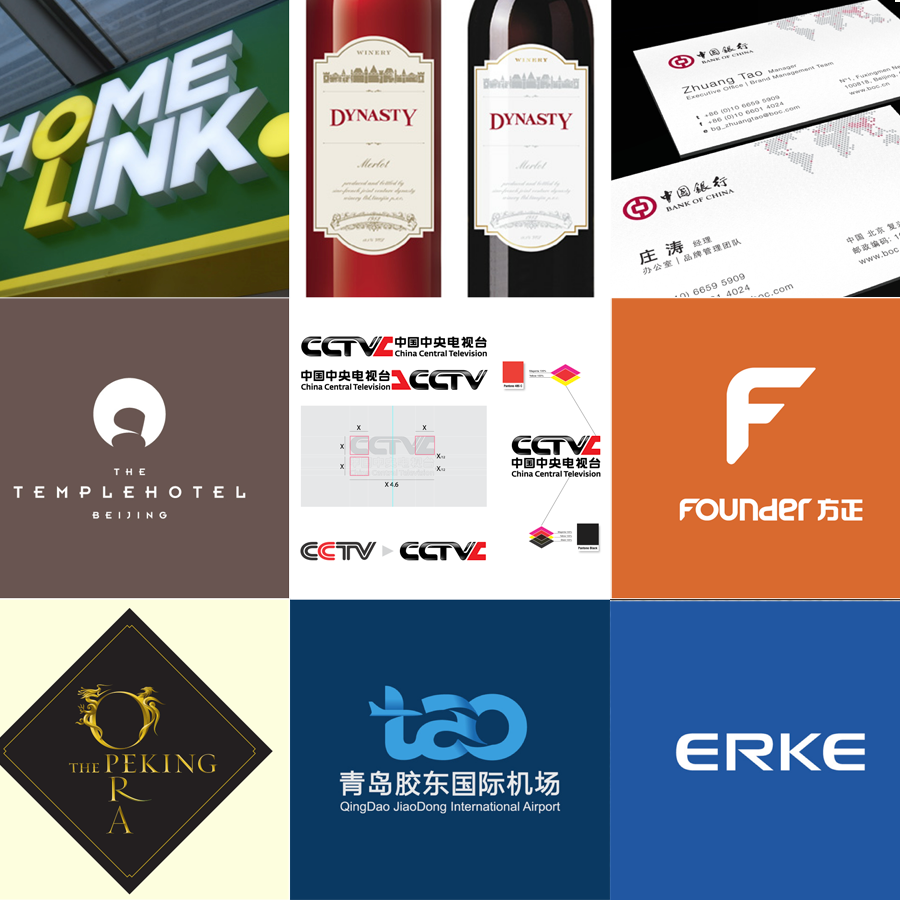
No one expected me to win much. I didn’t either. But within three months, I won every pitch I entered, starting with my very first: Founder Group, a major national IT company.

Credit: Zheng Bang, 2012
In 2007, while I was running my online logo design studio, a brand strategist, Whitney Vosburgh, visited me in Tokyo and said, “Pair your logo design skills with brand strategy, and your value will multiply.” He introduced me to Marty Neumeier a graphic designer/copywriter turned business book writer. Before Neumeier, “design thinking” felt like corporate BS: why juggle perspectives and research when clients already tell you what they want? Neumeier who worked for Apple and Adobe, founder of the first design thinking magazine Critique, changed that. The Brand Gap and ZAG translated the theory into crisp, usable frameworks. Through his lens, I stopped seeing logos as endpoints and started treating them as the visible tip of a larger system: a brand identity system that one can design.
That shift reframed my work from making marks to solving problems: designing experiences, not just logos; designing for needs, not just wants; designing the tribe as much as the product or service. But to become a brand designer I had to learn how companies work, what an identity really is, which strategic drivers and levers move perception, and how to sell that value. And it didn’t happen overnight. At Zheng Bang I pitched to 100+ major companies (CCTV, Bank of China, The Peking Opera, …) and delivered over 60 projects. Each one was a chance to test a new method and sharpen a different approach.
After Beijing, I moved to Shanghai in 2014, largely to escape the smog. I had a short stint at Interbrand—fired for insubordination—then joined PLTFRM, a brand consultancy founded by Alexandre Ouairy, a fellow Grenoble Fine Arts alum. The next four years were extremely productive, especially with the Wines of Chile Association.
Wines of Chile asked us to raise the value of Chilean wine in China. I ran a one-day workshop bringing together their China team, several wineries, our creatives, and a mixed group of consumers. The wineries arrived confident that superior wine + strong marketing equals success. Then we asked consumers if they’d buy Chilean wine. The reply was a disarmingly polite: “I don’t know Chile—only that it’s cheaper than French.”
Plans collapsed, and we reframed the brief: before taste and price, we had to make people feel something about Chile itself. I designed, scripted and directed a docu-fiction video series to position an entire country in the minds of Chinese consumers.
Wines of Chile complete Case-Study.
As a result, Chilean wine’s market value rose 27%, and Chile became China’s #2 wine import, just ahead of Australia.
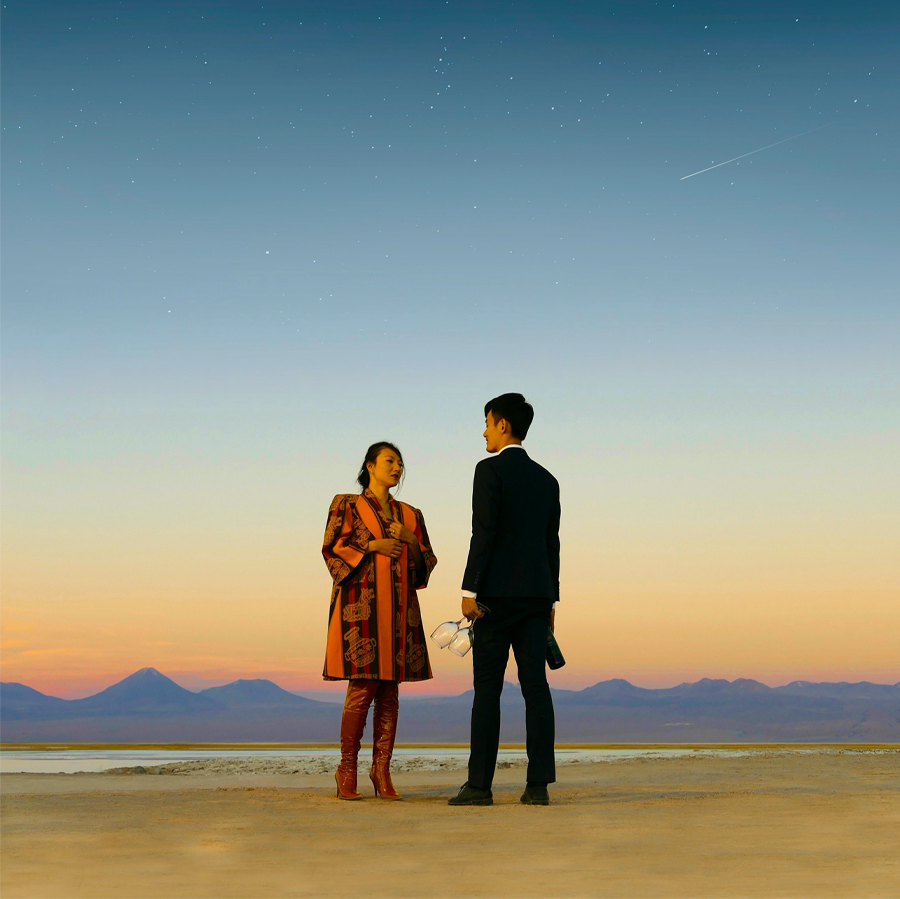
Credit: Gregory Moulinet, 2017
Autumn 2014, hiking by Taihu Lake in Suzhou, I watched roads, hotels, and viewing decks rise at speed. The dust in the air, the runoff at the shore, and debris everywhere, looked less like construction than destruction. The methods, materials, and mindset on site showed little regard for the habitat or the quiet beauty of the lake.
I sat a while, eyes moving between the dump trucks and the silver horizon, and asked myself: what would a biocentric designer build here instead of concrete and steel?
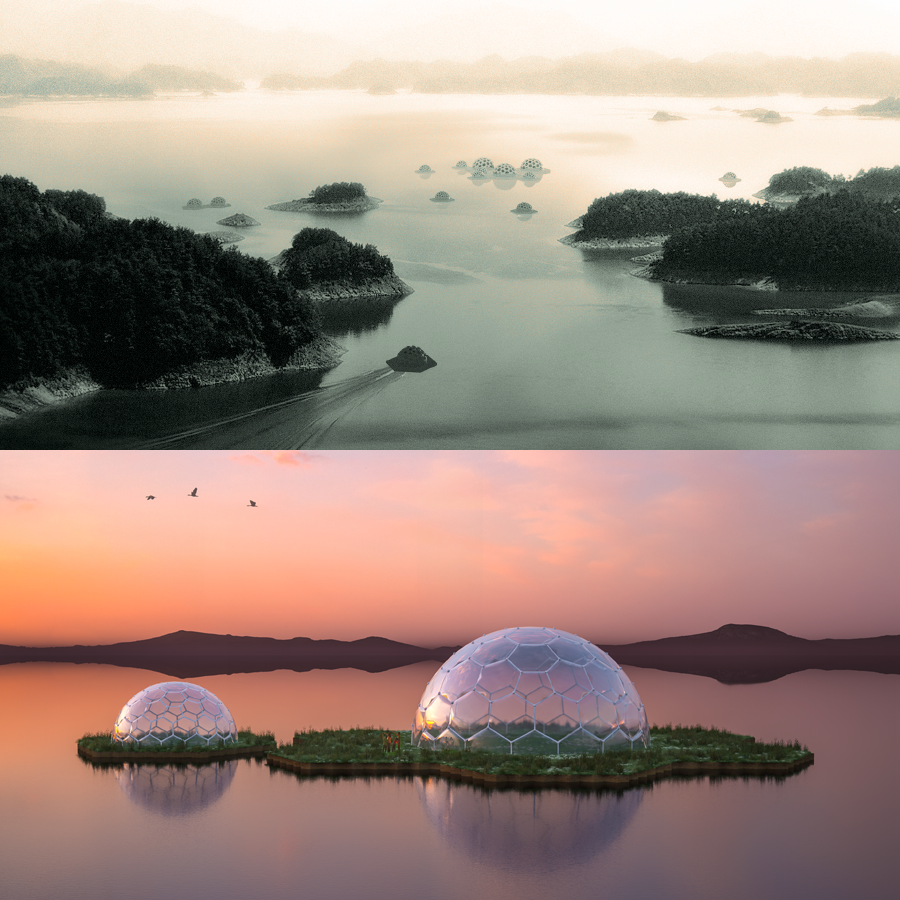
That question sparked an image of biomimicry-inspired floating islands hosting a complete ecosystem and an ecologically minded community devoted to protecting one of China’s largest freshwater lakes.
It also led me to found the eaudesea Biocentric Society: a practice promoting biocentric design for products, services, and places, grounded in three fundamental biospheric laws inspired by Captain Paul Watson: Biodiversity, Interdependence, and Finite Resources.
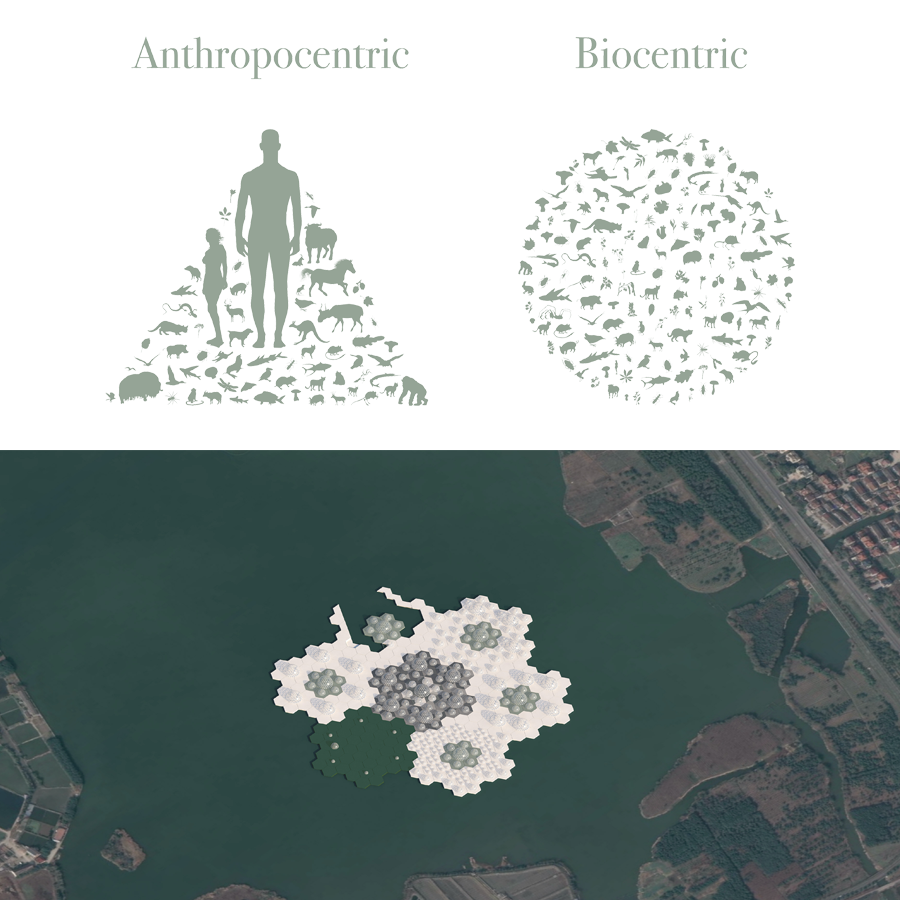
Back home I sketched a vision: a biocentric community floating autonomously on Taihu.
Ethically, Biocentrism stands opposite to anthropocentrism. The anthropocentric designer ranks other life as resources for human ends. The biocentric designer sees humans as part of an interdependent global web of life, aiming for solutions that benefit whole ecosystems first, with human gains emerging from ecological health.
Looking to biomimicry, I found artificial floating islands like Biohaven®: PET plastic are transformed into fibrous mats layered into buoyant platforms, topped with soil and plants. They become hydroponic archipelagos, and hotspots for nature. Roots filter water while curbing algal blooms. Fish spawn in the shade and fertilize the plants, Flowers feed pollinators, and birds, invertebrates complete the cycle. The magic is this: an inert, polluting material becomes scaffolding for life’s concretion.
By simply living on such man-made landforms, humans could become positive moral agents in a natural environment.
For more on Biocentrism: Respect for Nature: A Theory of Environmental Ethics by Paul W. Taylor
After 35+ years (re)designing brands, I took a detour during Covid that became a destination. In 2021, Massimo Imperato and Paul Denison invited me to XJTLU (Xi’an Jiaotong–Liverpool University) in Suzhou to support teaching in Industrial Design. I stepped into modules like Design Strategy & Ethics, Design for Sustainability, and Culture & Theory—and discovered how fulfilling it is to see students succeed. The rigor of inquiry and the freedom to explore ideas with little commercial pressure were a refreshing change.
XJTLU Industrial Design 2022 Video, produced by my company, eadna MEDIA, scripted and directed by me.
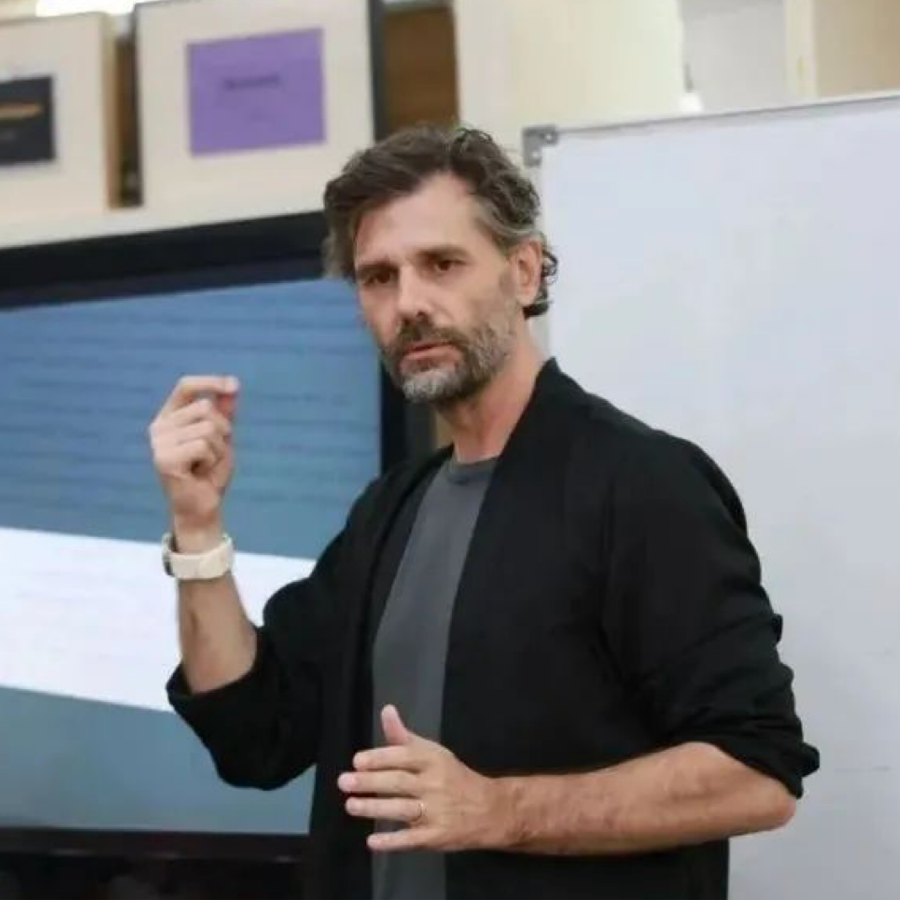
I decided to commit. I formalized my design practice through a VAE (Valorisation of Acquired Experience) at L’École de design Nantes Atlantique (EDNA), earning a Master’s in Design (magna cum laude) in 2023. Soon after, Dr. Joseph Press brought me to NACAA, a Sino-French institute jointly run by EDNA and the China Academy of Art (CAA) in Hangzhou, where I serve as Senior Lecturer, mentoring master’s students in systemic (re)design and coaching them toward their final presentations.
Credit: Shanghai University, 2021
Vasari’s notion of disegno—“a soulful expression of appearance and a declaration of concept imagined in the mind and fabricated in the idea”—has long guided my life.
My daughter’s arrival on March 14, 2022, compelled me to revise what design can be: not merely to represent or react to what we observe, but to reshape the narrative conditions of the world so that she—and everyone’s children—may inherit a truly desirable future.

Eadna Suze Moulinet - 周苏泽
Credit: her father, 2024