
CCTV
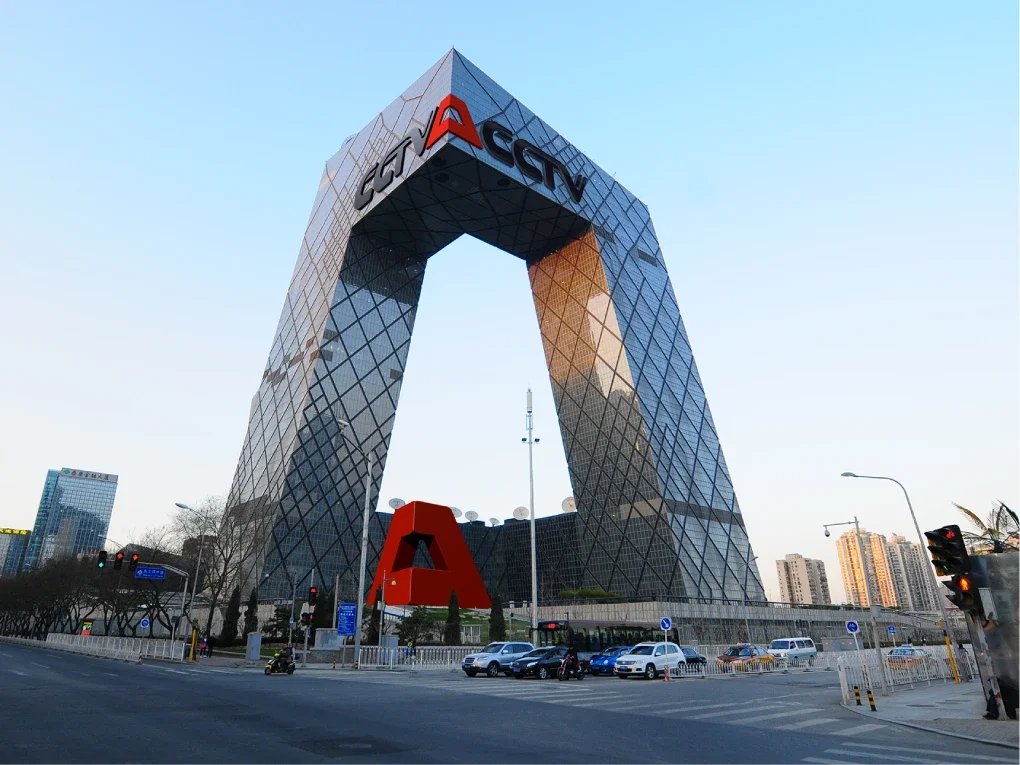
China Central Television, Beijing, 2013
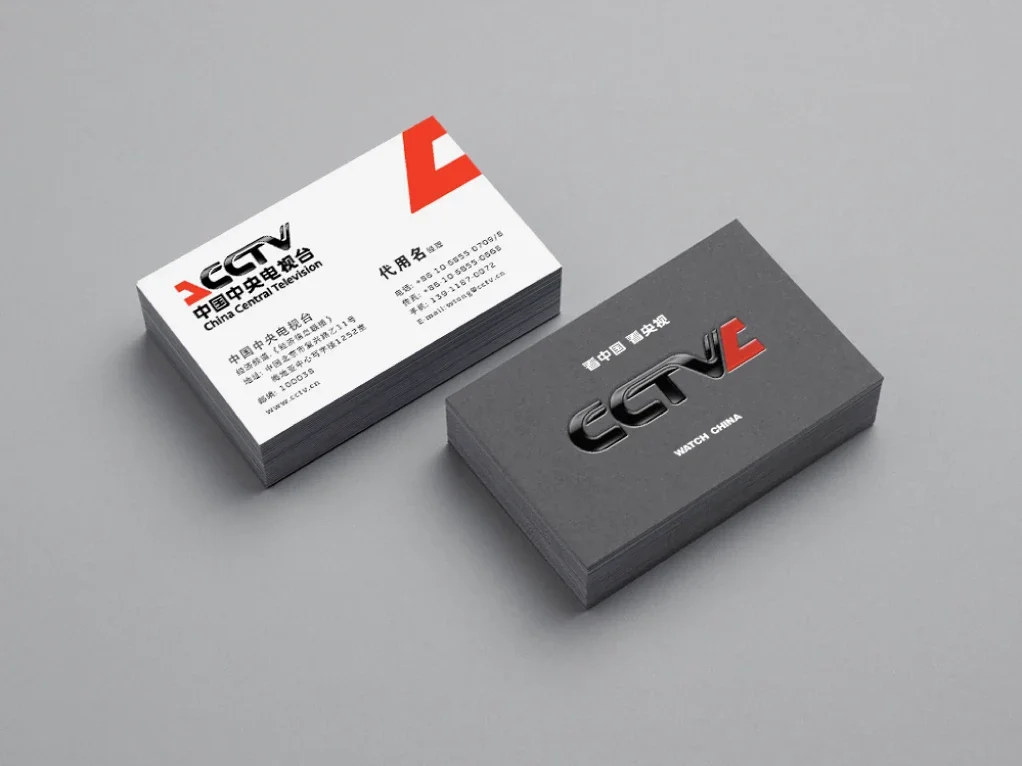
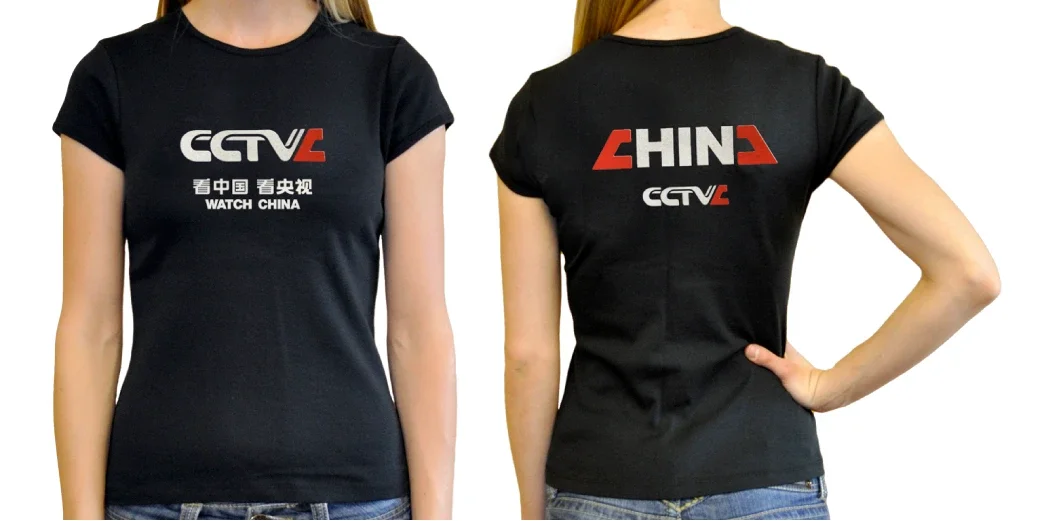
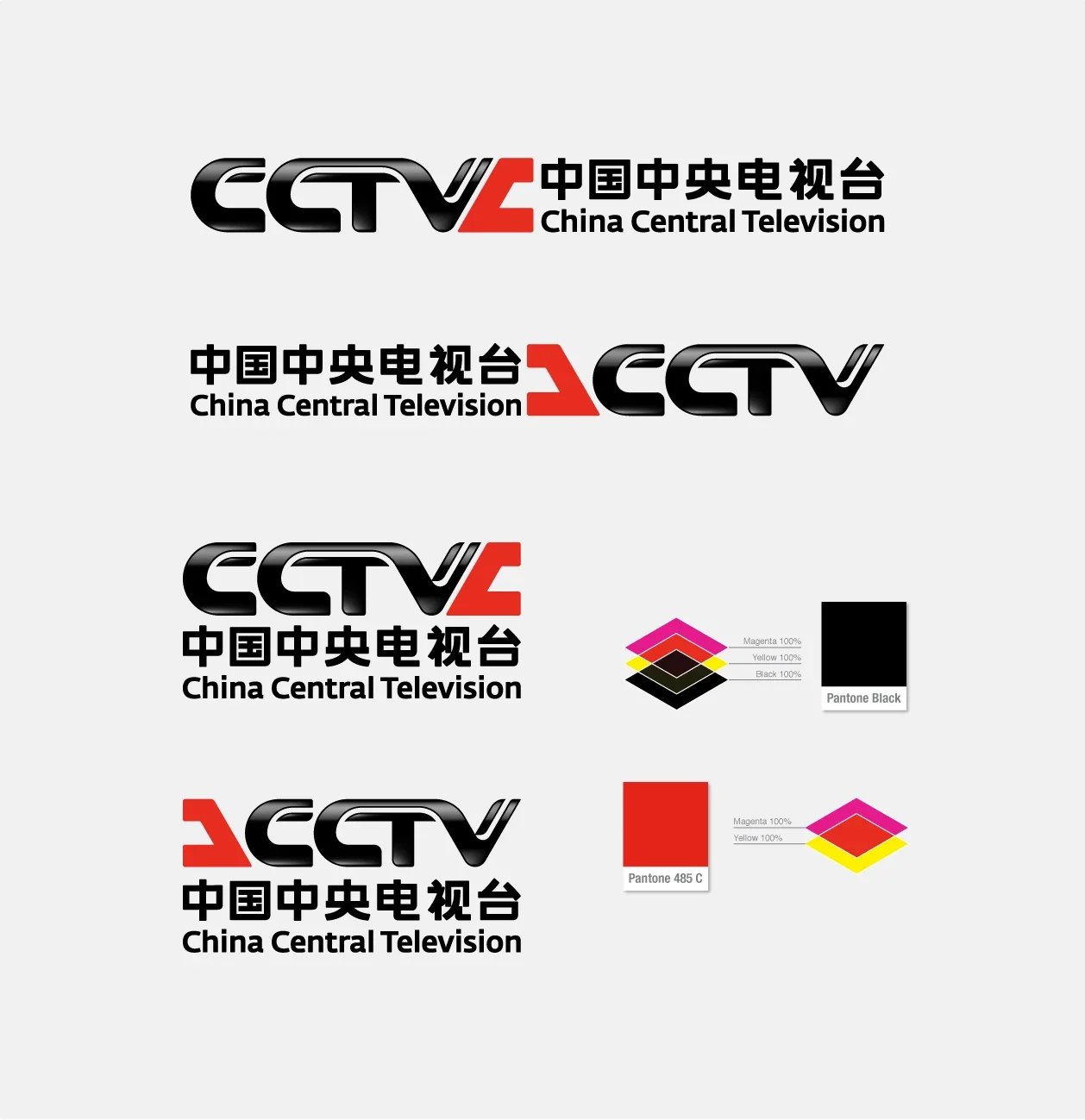
Unapproved proposal for the upgrade of the national broadcaster’s logo
In Beijing, few symbols were as visible, familiar, or culturally charged as the CCTV wordmark. For decades, it had lived in the daily life of hundreds of millions, stamped across screens, buildings, broadcasts, and public memory. By 2013, the question was not whether the brand was known, but how such a powerful institution could evolve without losing itself.
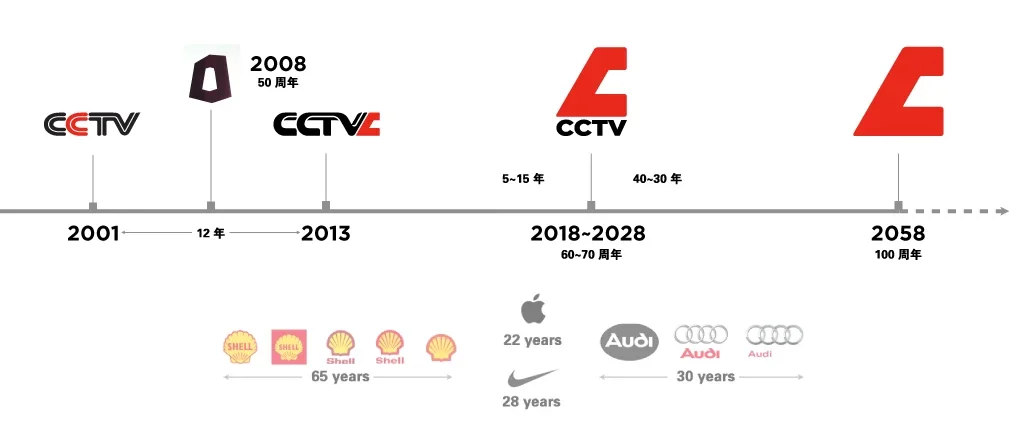
When ZhengBang won the bid in early 2013, an intense internal competition began. Hundreds of proposals were produced. After multiple rounds of selection, our direction and another remained under discussion for more than a year. My team worked on the challenge from 2012 to 2013, trying to move the identity from “Chinese TV” toward something closer to “China’s TV”: not just a broadcaster, but a national symbol with greater clarity and authority.
What made the project so delicate was the weight of recognition already embedded in the mark. Change it too radically, and you risk breaking the emotional bond that more than a billion people had built with their national broadcaster over fifty years. Change it too little, and the redesign becomes meaningless, inviting the obvious question: what was the point?
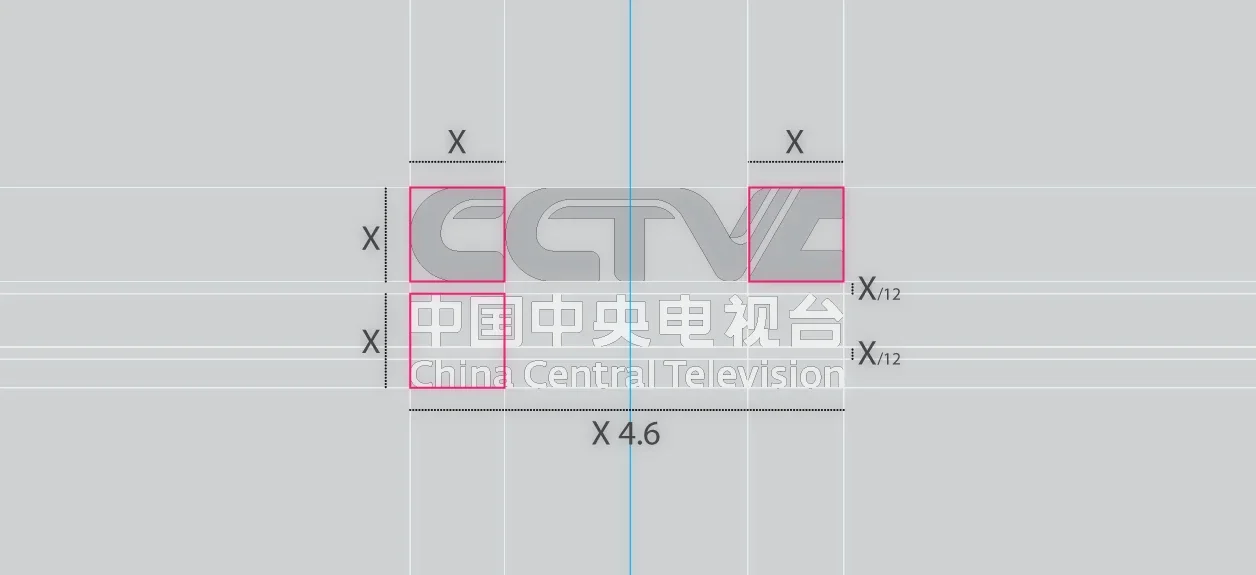
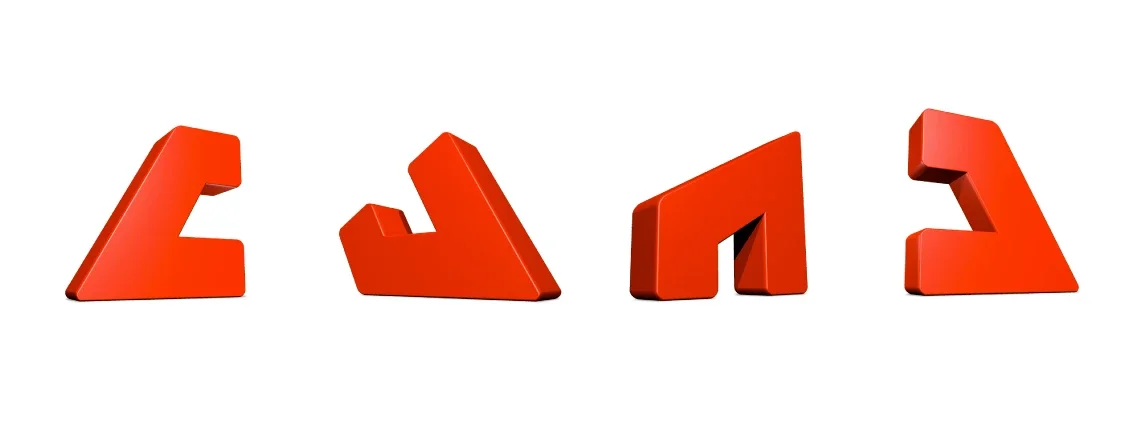
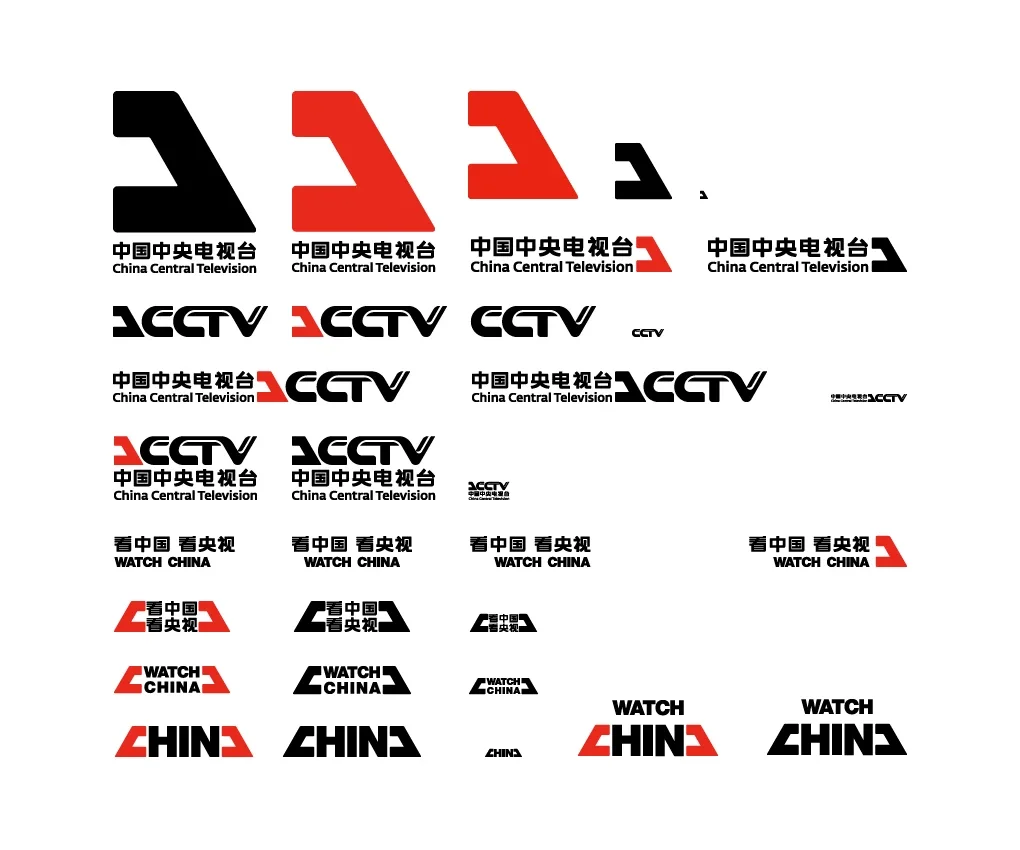
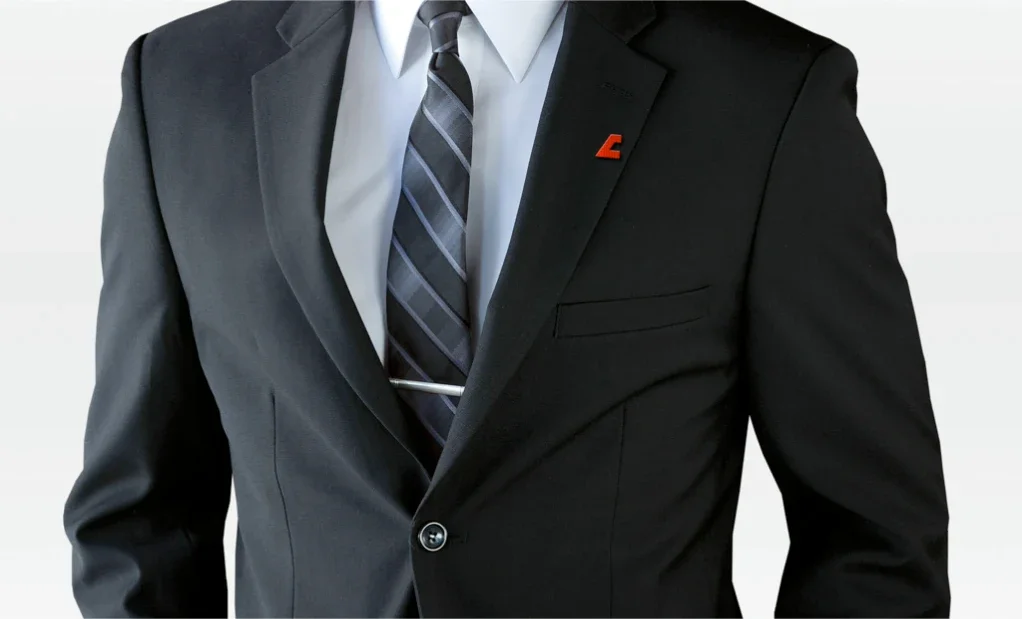
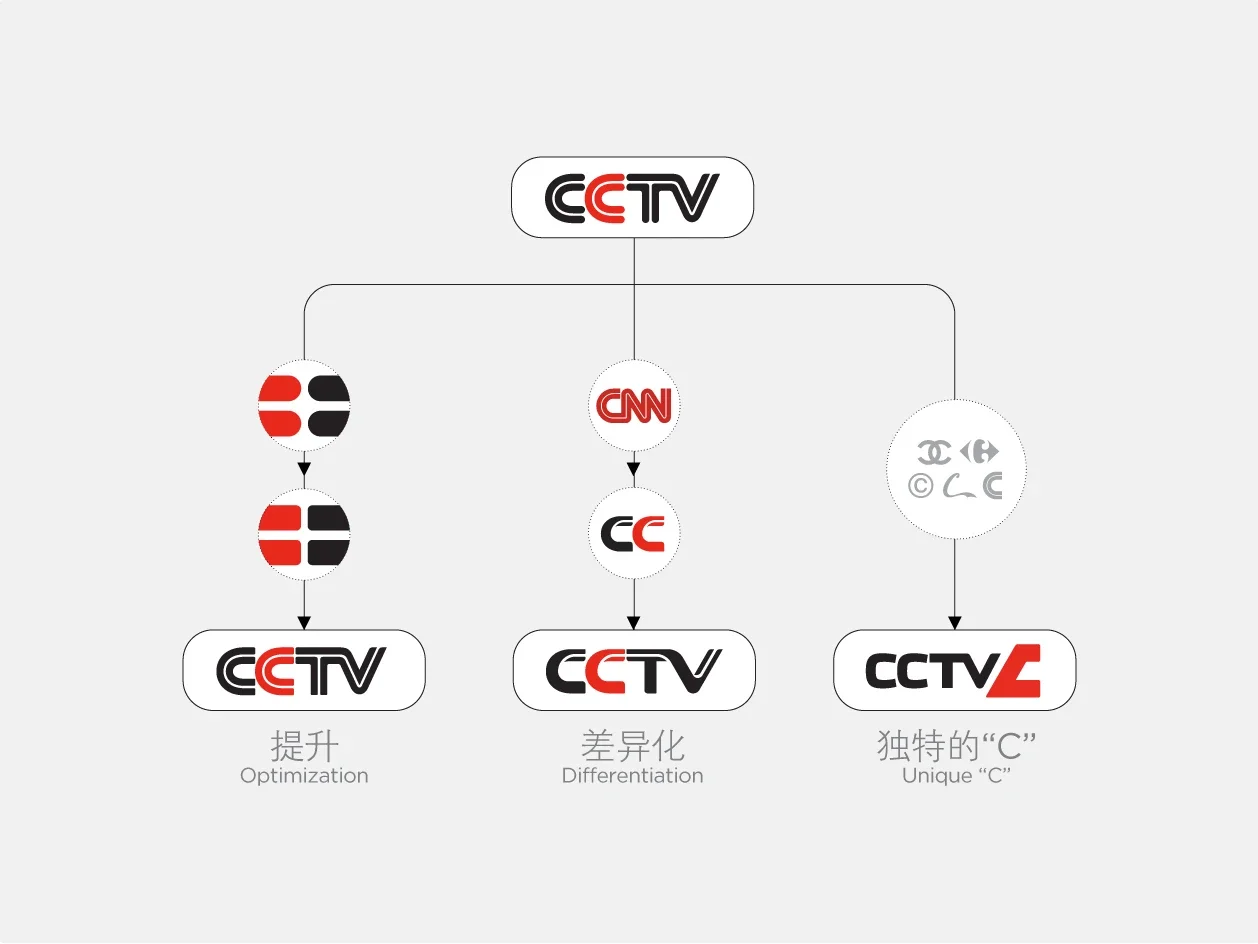
That tension could be felt in every discussion. The work demanded precision, restraint, and nerve. We knew the logo had to become sharper, more rational, and better adapted to digital media. It also had to step away from its visual proximity to CNN while preserving the familiarity of the existing wordmark. Most importantly, it needed the potential to generate a distinct symbol through the letter C, one that could, over time, stand on its own and help the brand move beyond the awkward association with the acronym “Closed Circuit Television.”
The unapproved proposal presented here was our attempt to resolve all of these pressures in a single gesture: to optimize, differentiate, and open a path for long-term transformation. It was never selected, but it remains one of the most demanding and meaningful identity challenges I had the privilege to undertake.